Watercolor Violet History Floral: A Designer's Guide
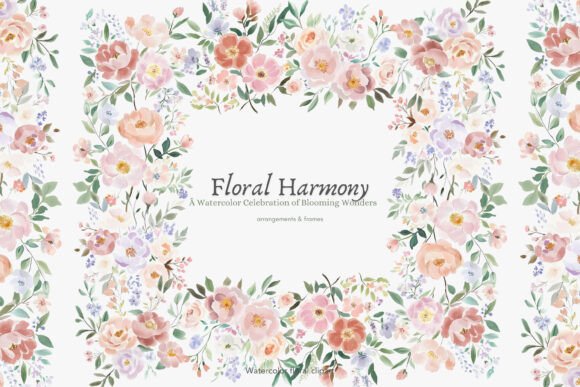
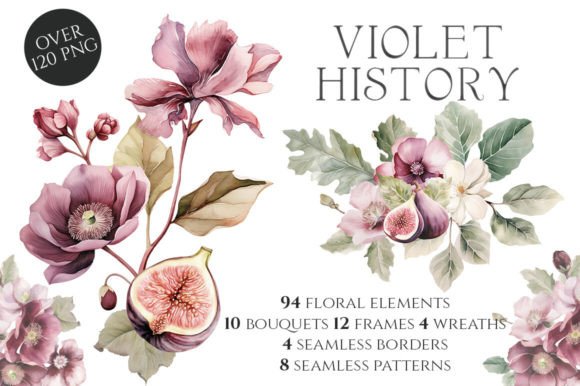
Discover the timeless elegance of Watercolor Violet History Floral, a versatile design asset that bridges classic botanical artistry with modern creative needs. This collection, featuring delicate watercolor flowers, fig fruits, and seamless patterns, offers designers a rich toolkit for elevating visual communication across countless applications.
The Role of Watercolor Florals in Modern Design
Watercolor illustrations, particularly those with a historical floral aesthetic, carry a unique emotional weight. They evoke a sense of organic beauty, craftsmanship, and authenticity that resonates deeply in today's digital landscape. In a market saturated with flat, vector-based graphics, the textured, hand-painted quality of these elements provides a crucial point of differentiation. They are not merely decorative; they are strategic assets that can soften a brand's visual identity, add warmth to user interfaces, and create a memorable sensory experience for the viewer.
The specific inclusion of violet hues and fig fruits within this palette adds another layer of sophistication. Violet, often associated with creativity, wisdom, and luxury, pairs beautifully with the earthy, natural tones of figs. This color story is exceptionally effective for brands in wellness, beauty, gourmet food, boutique retail, and wedding industries. It allows for the creation of a cohesive brand identity that feels both premium and approachable.
Practical Applications for Creative Projects
The true value of a comprehensive design bundle like this lies in its adaptability. Here’s how you can leverage these elements to enhance your work:
- Branding & Logo Design: Use a single watercolor bloom or a curated bouquet as a central logo mark or a supporting brand element. The transparent PNG backgrounds allow for seamless integration onto various surfaces, from business cards to packaging.
- Marketing & Social Media Graphics: The seamless patterns and borders are perfect for creating eye-catching Instagram stories, Facebook headers, or Pinterest pins. They provide instant visual interest and a consistent aesthetic that strengthens brand recall.
- Website & UI Design: Incorporate subtle floral motifs into hero sections, blog post featured images, or as decorative dividers. This adds personality without compromising readability or loading times, especially when optimized for web.
- Editorial & Packaging Design: Enhance magazine layouts, book covers, or product labels. The high-resolution (300 dpi) quality ensures crisp, professional results in print, making them ideal for wedding invitations, stationery, and luxury product packaging.
- Digital Products & Merchandise: Design stunning printable art, planners, or digital wallpapers. The versatility of the elements—from individual fruits to full wreaths—allows for endless unique compositions.
Tips for Effective Integration
To ensure these assets elevate rather than clutter your design, consider these professional guidelines:
- Maintain Visual Hierarchy: Use larger, more detailed bouquets or wreaths as focal points. Smaller elements, like individual flowers or figs, work best as subtle accents to guide the eye without overwhelming the main content.
- Ensure Consistency: Stick to the color palette inherent in the collection. This creates a harmonious look across all project materials. If adapting colors, use your brand's primary and secondary palettes to tint the illustrations for perfect alignment.
- Prioritize Readability: When placing text over watercolor elements, ensure sufficient contrast. Often, this means using the florals in negative space or as a background with a semi-transparent overlay to make typography legible.
- Scale with Purpose: Leverage the high resolution for large-format prints like posters. For digital use, scale down thoughtfully to maintain clarity on screens and avoid slow page speeds.
- Mix and Match for Uniqueness: The real power comes from combining elements. Layer a seamless border with a bouquet, or use individual flowers to build a custom frame. This allows you to create truly unique designs that stand out.
Ultimately, the strategic use of high-quality creative assets like Watercolor Violet History Floral is about more than just decoration. It's about crafting a visual narrative that communicates brand values, engages the audience on an emotional level, and delivers a polished, professional presentation. By thoughtfully selecting and applying these elements, designers and creators can transform ordinary projects into compelling visual experiences that resonate and endure.